Why visit Lake Mburo
Lake Mburo National Park is Uganda's smallest savanna park, covering about 370 square kilometres, yet it protects a good cross-section of savanna wildlife: zebras, impalas, elands, buffalo and leopards. It is the only park in western Uganda where you can walk with a ranger guide on foot, and one of the few places in the country offering horseback safaris.
Because it sits between Kampala and the gorilla parks in the south-west, roughly three and a half to four hours from the capital, it works well as a first taste of savanna Africa on the way to Bwindi, or as a shorter weekend break from Kampala or Mbarara without the long drive that Queen Elizabeth or Bwindi require.
It is a compact, relaxed park rather than a big-ticket destination, and that is part of its appeal. Game drives are shorter and more concentrated than in Uganda's larger parks, and the absence of elephants and lions makes walking and cycling safaris possible here in a way they are not in most other Ugandan parks.
What to do
Morning and evening game drives focus on the open valleys and lake shores, where zebra and impala herds are usually easy to find and eland, Uganda's largest antelope, are a highlight for many visitors. Leopards are present but, as everywhere, sightings are opportunistic rather than guaranteed.
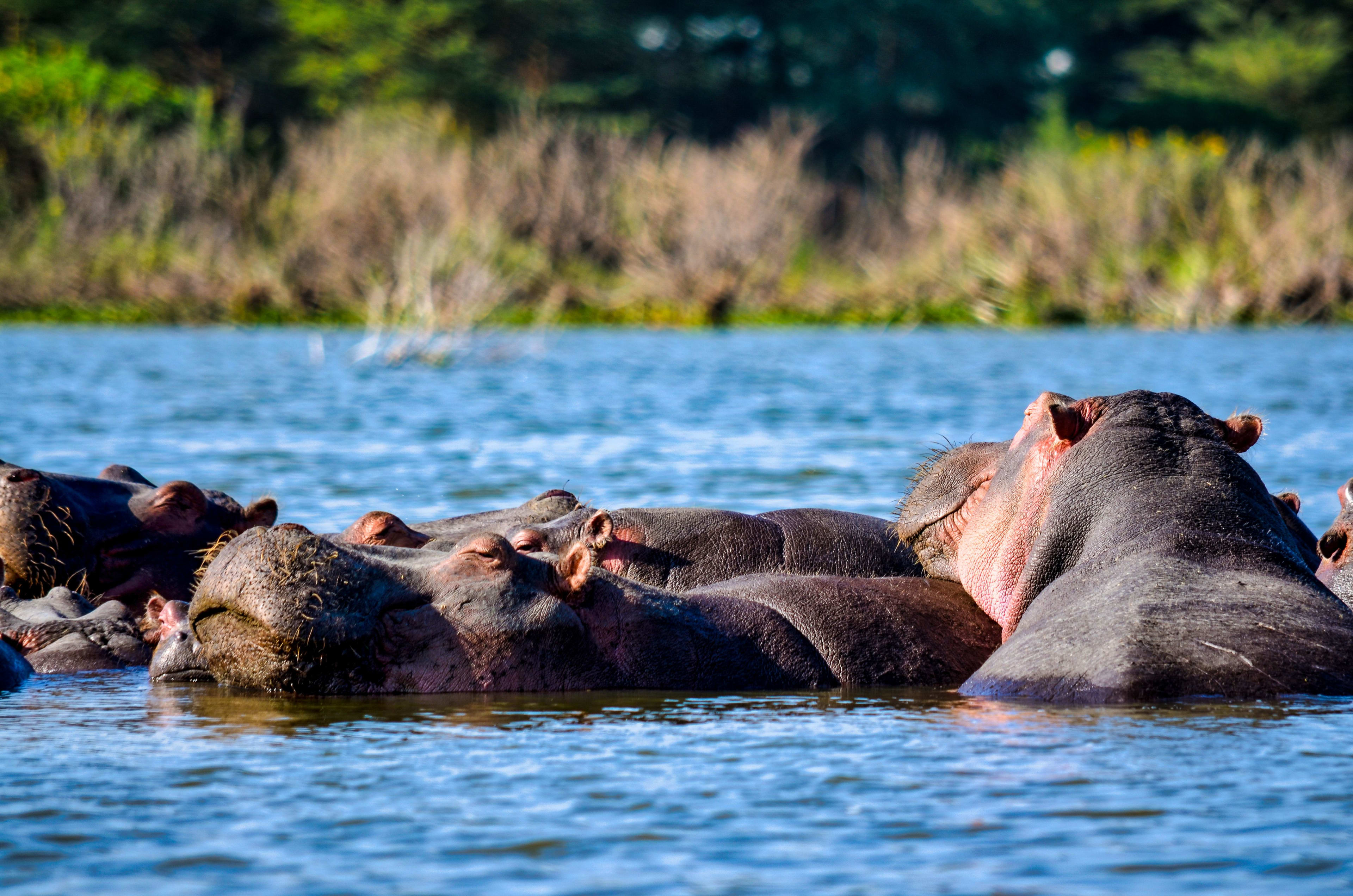
A boat trip on Lake Mburo itself is one of the park's signature activities, bringing you close to hippos, crocodiles and water birds such as African fish eagles and malachite kingfishers along the shoreline. Boat trips typically run for one to two hours and are a good option early morning or late afternoon.
Guided walking safaris and cycling trips can be arranged inside the park with a ranger, since the absence of elephants and lions makes on-foot activity safer here than in most other Ugandan parks. Horseback safaris run from Mihingo Lodge, giving a genuinely different vantage point on the zebra and antelope that graze close to the property.
Wildlife to expect
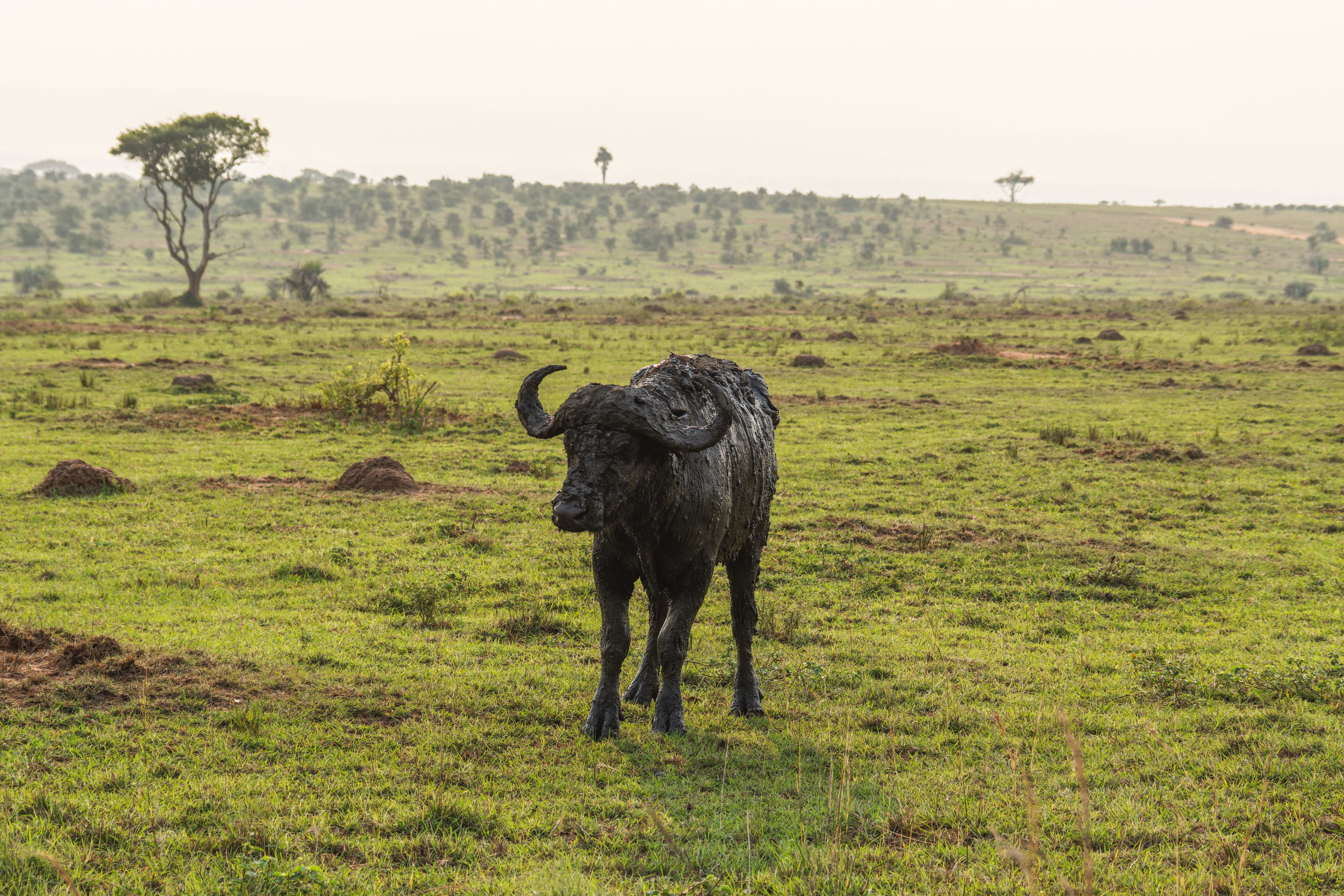
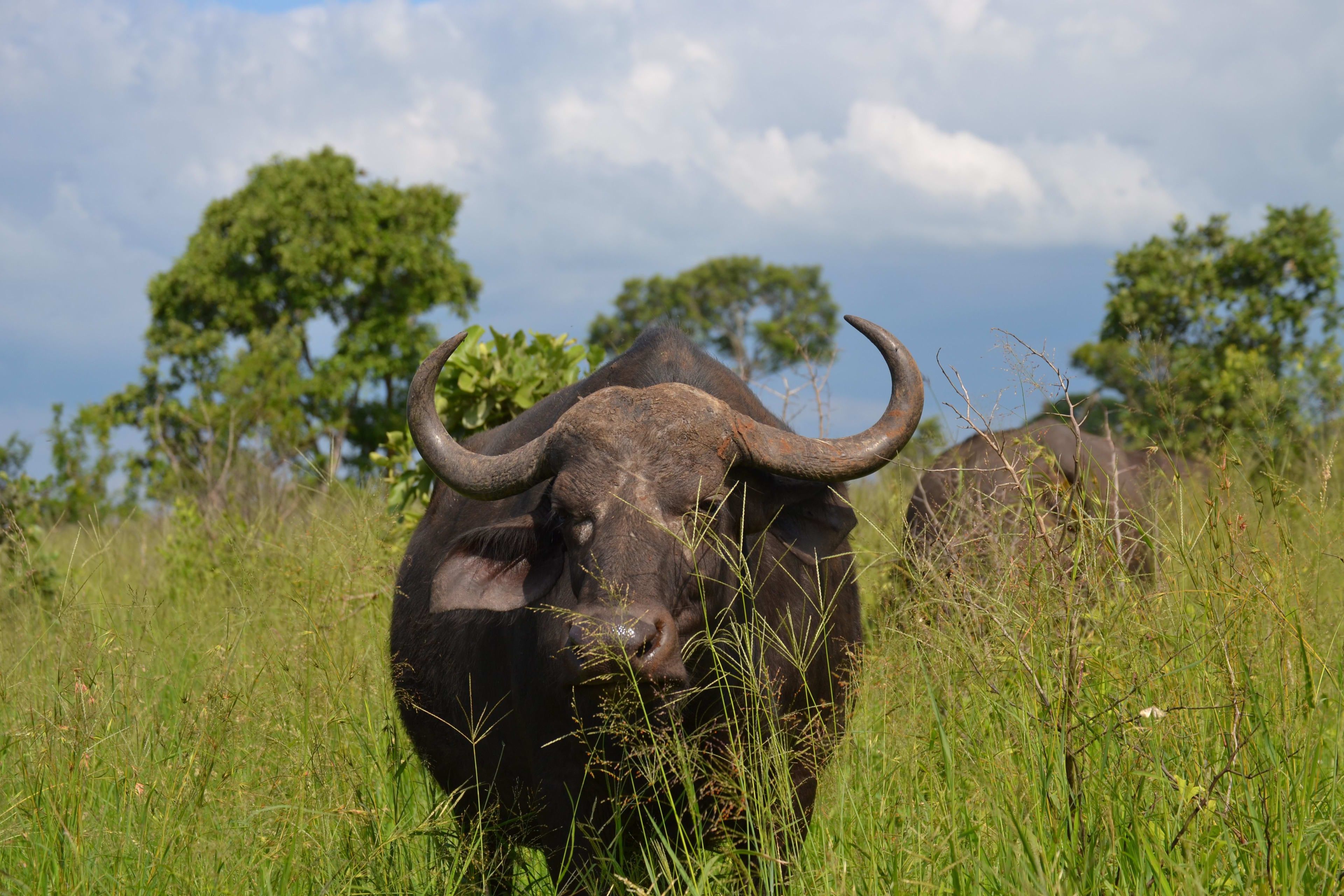
Zebra are the park's best-known resident and are usually easy to see on a short drive. Impala, common in Lake Mburo but found almost nowhere else in Uganda's parks, share the plains with eland, buffalo, topi and defassa waterbuck.
The park has no elephants, which is precisely why walking and horseback safaris are possible, and lions are rare visitors rather than a resident population, so Lake Mburo is not the park to choose if the Big Five is the priority. Leopards, hyena and a healthy population of birds, including the elusive African finfoot along the lake edge, make it a strong choice for visitors more interested in a varied, relaxed wildlife experience than a checklist.
The zebra here are the Burchell's subspecies, distinguished from other East African zebra populations by fainter shadow stripes between the main black stripes, a detail keen photographers sometimes look out for. Buffalo herds tend to be smaller and more scattered than in Queen Elizabeth, and sightings often come at closer range simply because the park is more compact.
Birdlife on the lake and in the acacia woodland
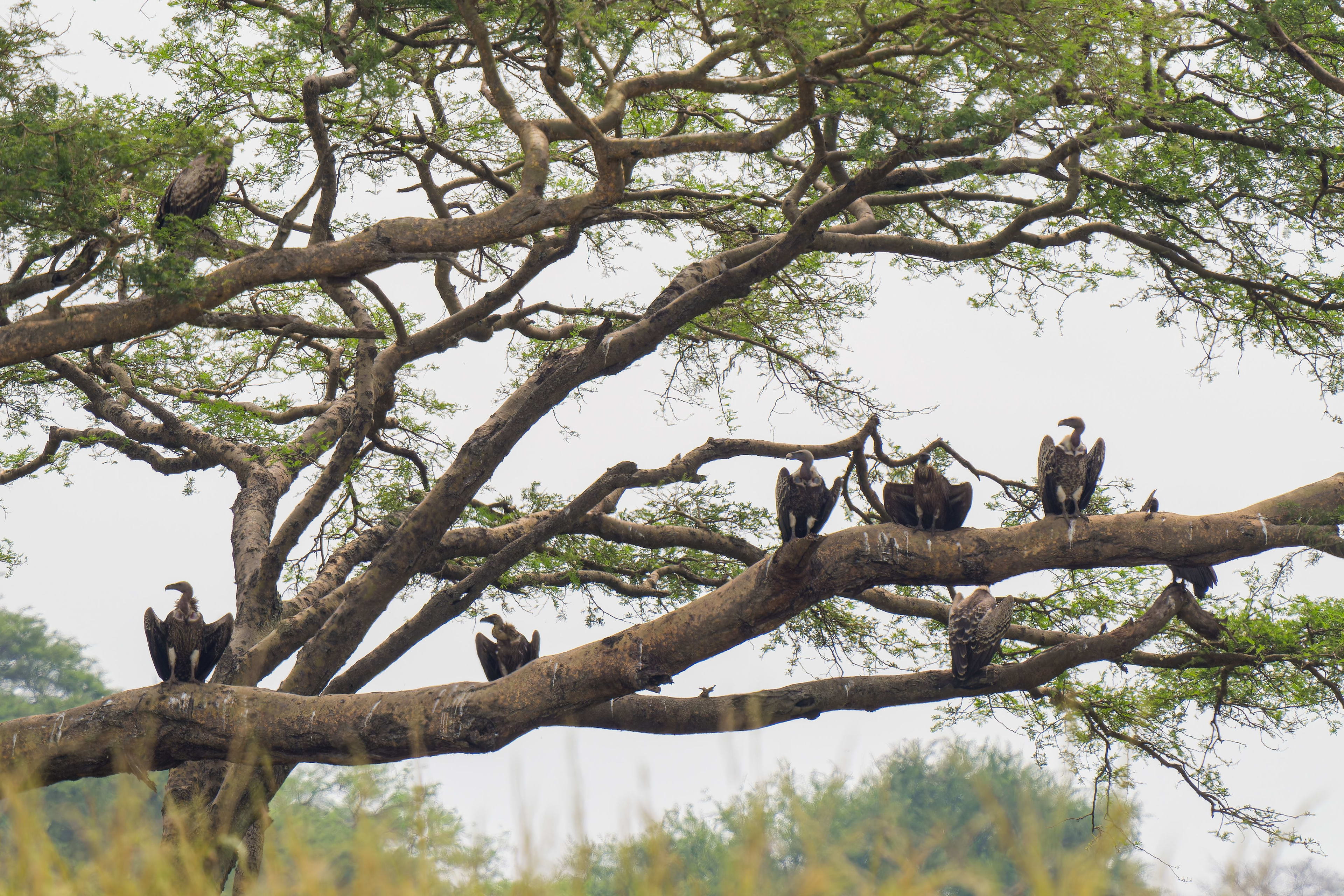
Lake Mburo is regarded as one of the better birding destinations in western Uganda, helped by its mix of lake shore, papyrus swamp, acacia woodland and open grassland habitats in a small area. Over 300 bird species have been recorded within the park, a notable count for its size.
The African fish eagle, with its distinctive call, is closely associated with the lake and is easy to spot perched on dead trees along the shoreline. The African finfoot, a shy, low-profile water bird that is difficult to see almost anywhere else in East Africa, is one of the park's specialty sightings and a draw for dedicated birders on a boat trip.
Acacia woodland species such as the black-collared barbet, red-faced barbet and various sunbirds add variety away from the water. A morning walk or drive with a guide who knows bird calls is worth the extra time if birding is a priority for any part of your group.
Where it fits in a wider trip
The park is roughly four to five hours from Kampala and about one hour from Mbarara on the Masaka-Mbarara highway, making it a natural staging point for travellers heading south-west from the capital.
It combines well with Queen Elizabeth National Park as part of a savanna-focused loop, or works as a first stop before continuing south to Bwindi for gorilla trekking. Many visitors treat it as a half-day or overnight stop that breaks up the long drive to the gorilla parks rather than a standalone destination, though it rewards a full day or two if your schedule allows it.
Getting there
Most visitors arrive by road with a driver-guide, travelling south-west from Kampala on the Masaka-Mbarara highway. The main gate at Sanga is well signposted from the highway, and the drive from Kampala takes roughly three and a half to four hours depending on traffic through Masaka.
There is no scheduled commercial flight to Lake Mburo, but charter flights to Mbarara airstrip are possible for private groups who want to save driving time, with a short road transfer to the park from there.
When to go
Lake Mburo can be visited year-round, and because it is a savanna rather than a rainforest park, wet weather affects it less dramatically than it does Bwindi or Kibale. The drier months from December to February and June to September generally offer the firmest driving conditions and easiest walking.
The wetter months from March to May and October to November bring greener scenery and fewer visitors, though some tracks can become harder going after heavy rain. Because the park works well as a short stop on a longer route, its best time to visit is often dictated more by when you are passing through than by seasonal wildlife patterns.
A sample day at Lake Mburo
A typical overnight visit starts with an early game drive at first light, when animals are most active and temperatures are cooler, covering the open valleys where zebra, impala and eland concentrate. Breakfast back at the lodge is followed by a few hours of downtime through the heat of the late morning.
Early afternoon is a good time for a guided walk or cycling trip with a ranger, taking advantage of the park's unusual allowance for on-foot activity. A boat trip in the late afternoon, timed for the golden light before sunset, rounds out the day and is often the highlight, with hippos surfacing regularly and fish eagles calling from the shoreline.
Visitors staying two nights can add a horseback safari or a second, more leisurely game drive, and still leave with time to relax at the lodge rather than rushing between activities, which suits the park's slower pace compared to a tightly scheduled savanna circuit further north.
Accommodation options
Lake Mburo has a range of accommodation from budget campsites and simple bandas to mid-range and higher-end lodges around the park boundary and lake shore. As a smaller, less remote park, prices here are generally lower than in Bwindi or Queen Elizabeth for a comparable standard of room.
Because the park is a common overnight stop rather than the main event of a trip, many visitors choose a simpler property here and save the higher-end spend for the gorilla or chimp leg of their itinerary further south.
Camping is a genuine option for budget-conscious travellers, with a couple of public and community-run sites inside or on the park boundary. For those wanting more comfort, several lodges sit directly on the lake shore, which makes an unplanned wildlife sighting from the veranda, hippos grazing at night are common, part of the experience.
Practical tips and common mistakes
Bring closed shoes and light long trousers for walking safaris, since the park has ticks in the grass, and use insect repellent. Binoculars pay off here more than in forest parks, since the open terrain makes distant sightings easy to pick out.
A common mistake is treating Lake Mburo as a quick drive-through rather than allowing time for a boat trip or walk, which are arguably the park's best activities and are not possible in the same way in Uganda's bigger, more dangerous-game parks. If your schedule allows only a few hours, prioritise the lake for its birdlife and hippos over a rushed game drive.
Another mistake is skipping the park entirely to save a night, particularly on the drive south to Bwindi. Given how long that onward drive already is, breaking the journey here rather than pushing straight through in one very long day makes for a noticeably more comfortable trip, and adds a genuinely different landscape and set of animals to the itinerary at a modest extra cost.
Sample combined itineraries
A short break might run Kampala to Lake Mburo for one night, with a game drive and boat trip, before returning to Kampala or Entebbe. This suits travellers with limited time who still want a genuine savanna experience without the full drive south-west.
A longer safari might spend one night at Lake Mburo as a staging point, continue to Bwindi for gorilla trekking over two nights, and loop back via Queen Elizabeth National Park for game drives and a Kazinga Channel boat cruise before returning north. This kind of route uses Lake Mburo exactly as it is best suited: a comfortable, worthwhile break in a genuinely long overland journey, rather than a rushed box to tick.