Why Kasese
Kasese sits almost exactly between Queen Elizabeth National Park and the Rwenzori Mountains, making it the natural hub for anyone wanting to combine savanna wildlife with mountain trekking on the same trip. It is roughly six to seven hours by road from Kampala, and about two hours from the heart of Queen Elizabeth National Park, which makes it a workable base for both without excessive backtracking.
As a town, Kasese is a working trading centre rather than a tourist resort, with copper-mining history and a market atmosphere, so most visitors base themselves at lodges just outside town rather than in the centre itself. It has reasonable road links to Fort Portal to the north and Bwindi to the south, so it can slot into a wider western Uganda circuit rather than being a standalone destination.
For visitors who want mountains without committing to a multi-day expedition, Kasese's position also makes it easy to do a single foothill day hike and still have time for Queen Elizabeth's wildlife on the same trip, something that is harder to fit in if you are based further away.
The Rwenzori Mountains in brief
The Rwenzori Mountains, nicknamed the Mountains of the Moon, straddle the border between Uganda and the Democratic Republic of Congo and are a UNESCO World Heritage Site, recognised for their glaciers, Afro-alpine vegetation and dramatic, mist-shrouded scenery. They are a genuinely different kind of Uganda experience from savanna safari: this is real mountaineering terrain, not a scenic walk.
Margherita Peak, on Mount Stanley, is the range's highest point at 5,109 metres, making it Africa's third-highest summit after Kilimanjaro and Mount Kenya. Unlike Kilimanjaro, the Rwenzoris involve technical sections near the summit, including glacier travel and via ferrata-style scrambling, so reaching Margherita Peak is a mountaineering objective, not simply a long walk.
The range's vegetation zones shift dramatically with altitude, from montane forest through bamboo and heather zones to the strange giant lobelias and groundsels of the Afro-alpine zone, and finally rock and ice near the summit. Weather changes quickly at altitude, and the range is known for being wet even in the drier months, which shapes both packing and route planning.
Choosing a route
The Central Circuit Trail is the range's established route, with a network of huts along the way and a minimum of about seven days, though nine to ten days is recommended if summiting Margherita Peak is the goal, to allow for acclimatisation and a weather buffer. It is the more infrastructure-supported option, with huts replacing the need to carry camping gear.
The Kilembe Trail, accessed from near Kasese itself, is a newer and generally more challenging route, popular with trekkers who want a quieter trail and are prepared for tougher terrain. Both routes are organised through community-based Rwenzori guiding services, and a ranger or guide plus porters are mandatory on any multi-day trek in the range, both for safety and because it is how the local trekking economy is structured.
For visitors without a week to spare, shorter foothill day hikes are available from the Kasese side, offering forest walks, waterfall visits and views up into the range without the commitment of a full expedition. These are a sensible option if the Rwenzoris are a secondary interest on a trip built primarily around wildlife parks.
Whichever route you choose, fitness matters more here than on most Uganda activities. Multiple consecutive days of hiking at altitude, often in wet conditions, is genuinely demanding, and it is worth being honest with your operator about your fitness level so they can recommend the right route and duration.
What to pack for the Rwenzoris
Layering is essential, since you can pass through several climate zones in a single trekking day, from warm, humid forest at the base to genuinely cold, wet conditions higher up. Waterproof jacket and trousers are not optional here; the range is wet for much of the year regardless of official 'dry season' dates.
Sturdy, well broken-in waterproof hiking boots are essential, along with gaiters to keep mud and moisture out. A good sleeping bag rated for cold conditions matters for the Central Circuit's hut stays, and most operators can advise on rental gear if you do not want to travel with your own mountaineering kit.
For anyone attempting Margherita Peak specifically, technical mountaineering equipment, including crampons and a harness, is required for the glacier and rock sections, and this is usually arranged through the guiding service rather than brought from home.
Wildlife nearby
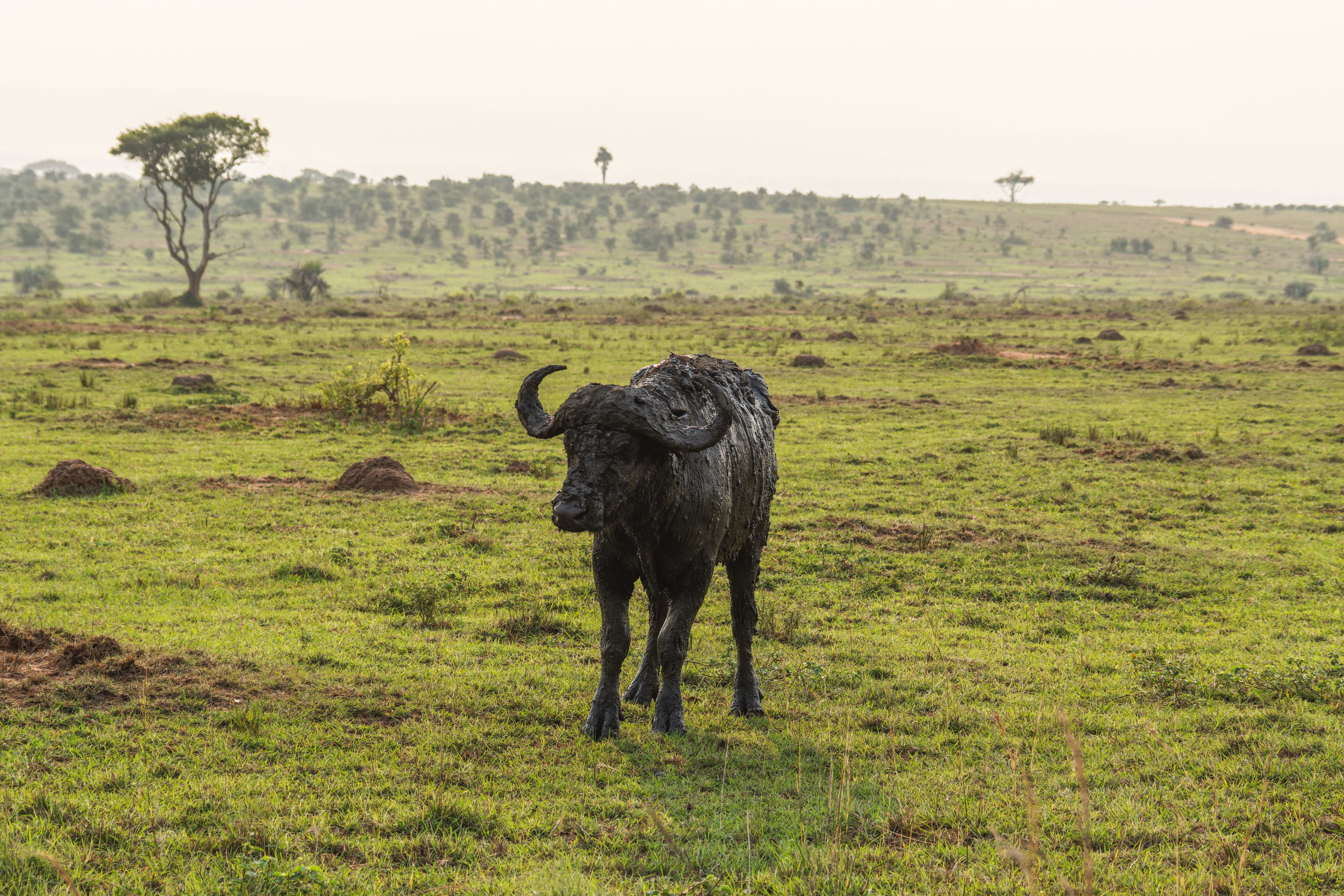
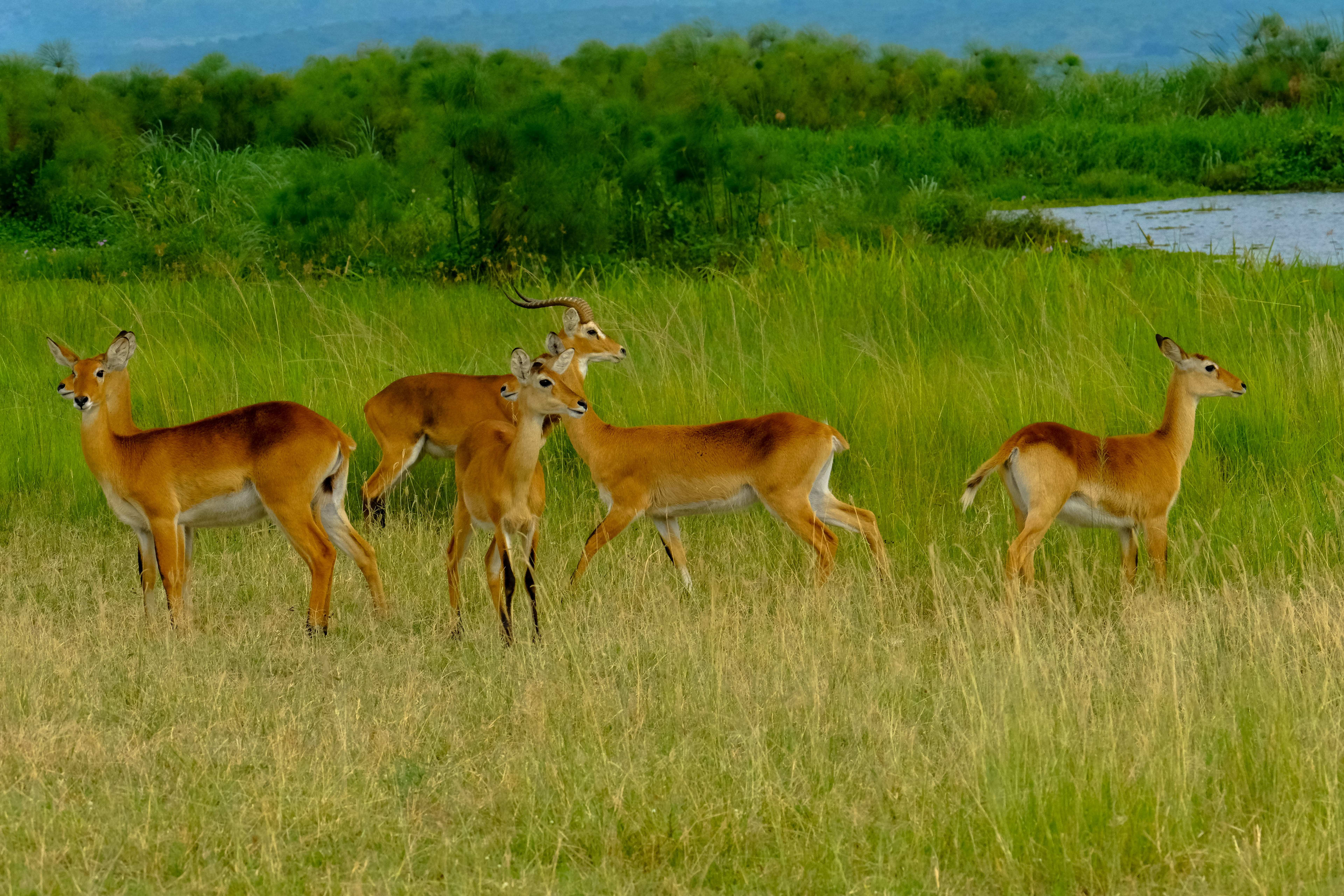
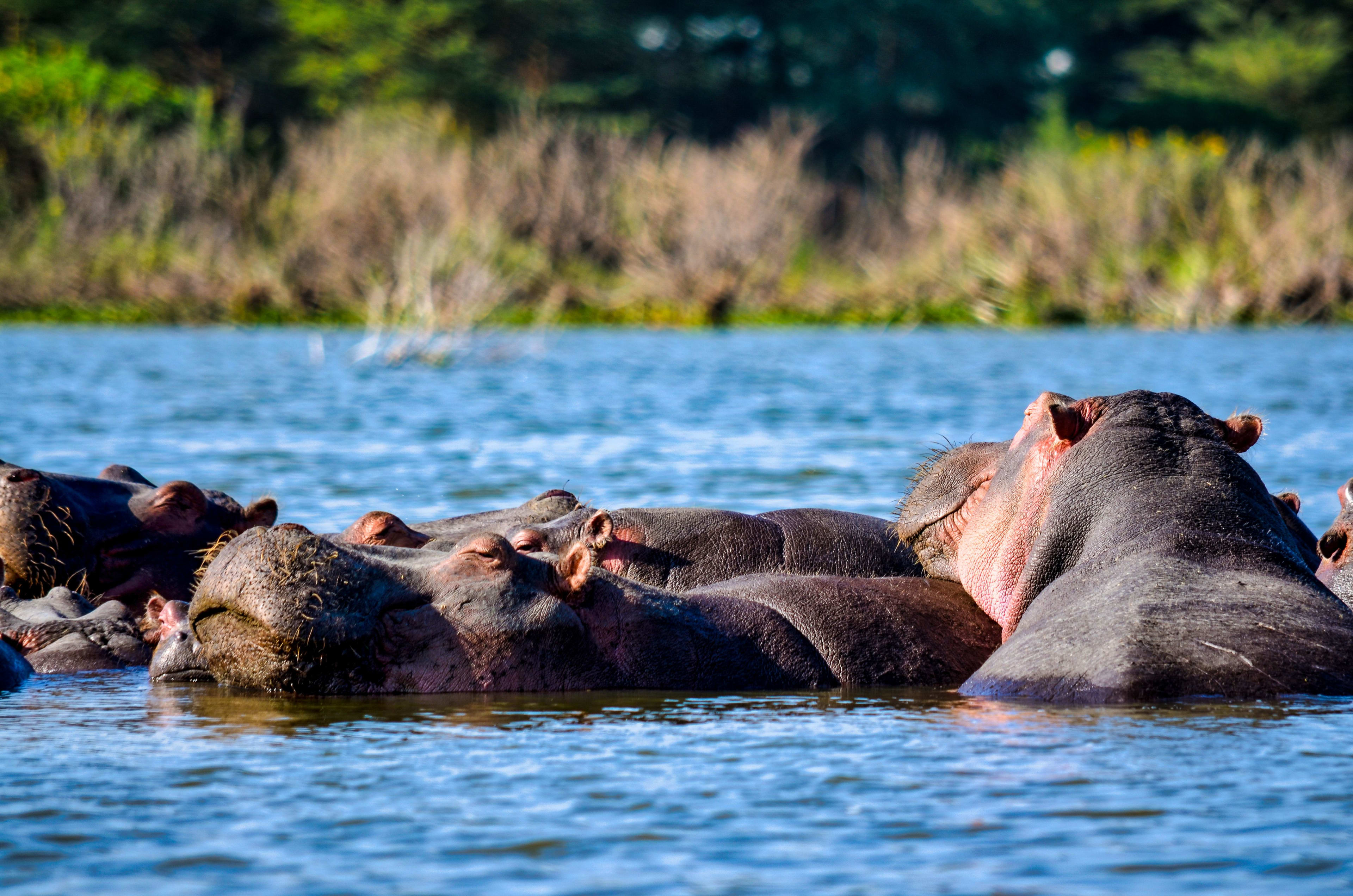
Queen Elizabeth National Park is within about two hours of Kasese, and its game drives, tree-climbing lions in the Ishasha sector and Kazinga Channel boat cruises make an easy and worthwhile pairing with a Rwenzori trek. The channel cruise in particular is a relaxed, low-effort activity that suits the day after a demanding hike.
Kyambura Gorge, on the edge of Queen Elizabeth National Park, offers chimpanzee tracking in a dramatic riverine gorge, and Lake Katwe's salt works are a straightforward and interesting cultural add-on, showing a side of the region's economy that has nothing to do with wildlife.
Because these activities sit so close to Kasese, it is realistic to build a trip that alternates mountain days with wildlife days, rather than treating the Rwenzoris and Queen Elizabeth as separate trips entirely.
When to go
Rwenzori trekking is best from December to February and June to August, when trails are comparatively drier and safer underfoot, though 'drier' in this range is relative and rain gear is needed regardless of season. Outside these windows, trails become significantly muddier and stream crossings can be more difficult, which can affect both safety and enjoyment.
Queen Elizabeth National Park itself is open and rewarding year-round, so if your schedule is fixed around a non-ideal trekking window, it is worth weighting the trip more toward wildlife and choosing a shorter Rwenzori foothill hike rather than committing to a full multi-day trek in poor conditions.
Regardless of season, weather at altitude changes quickly, sometimes within the same day, so warm layers and waterproofs are necessary even if you set out in clear, warm conditions at the base.
Common mistakes to avoid
Underestimating the physical demands of multi-day trekking is the most common issue; this is not a casual walk, and several back-to-back days of hiking at altitude catch out visitors who have not trained or who assume it will be similar to a savanna safari. Being honest with your operator about your fitness level before booking a route leads to a better match between trek and traveller.
Packing light on rain gear because the trip falls in the 'dry season' months is another frequent mistake; the Rwenzoris are wet enough that this assumption rarely holds up on the ground.
Some visitors also underestimate how long a Central Circuit trek to the summit actually takes and try to compress it into too few days, which reduces acclimatisation time and the safety margin for weather delays. Building in a spare day or two, where possible, is worth the extra cost.
Fitting it into a wider itinerary
Kasese's position between Queen Elizabeth and the Rwenzoris also makes it a workable link point on a longer western Uganda circuit that continues south to Bwindi for gorilla trekking, or north to Fort Portal and Kibale for chimpanzees. Road connections in all directions are reasonable by Uganda standards, though distances are still substantial.
For visitors with limited time who still want a taste of the Rwenzoris, pairing a single foothill day hike with two or three days in Queen Elizabeth National Park is a realistic way to include the mountains without dedicating a week to a full trek.
A local operator who knows both the trekking logistics and the wildlife-viewing side can build a single itinerary around Kasese rather than treating the mountain and the savanna park as separate bookings, which tends to save both time and cost.
Guides, porters and community tourism
Rwenzori trekking is organised through community-based guiding operations rather than a single national park concession, which means guide and porter fees flow directly into the villages at the foot of the range. Hiring porters is not just a comfort choice; it is a meaningful part of the local economy around Kasese and Kilembe, and most trekkers hire at least one even when they are physically capable of carrying their own pack.
A ranger or guide is mandatory on any multi-day trek, partly for navigation and safety on terrain that can change quickly with weather, and partly because the Rwenzori Mountains National Park border runs close to the Democratic Republic of Congo, and guides know exactly where the marked, permitted routes lie.
Advance booking matters more for the Rwenzoris than for most Uganda activities, since huts along the Central Circuit have limited capacity and guiding teams need to be assembled and briefed ahead of a multi-day trek. Booking a few months ahead, rather than on arrival, gives the guiding service time to plan properly.
Health and altitude considerations
Altitude sickness is a real consideration on longer Central Circuit treks, since routes climb well above 3,000 metres and can approach 5,000 metres near Margherita Peak. Ascending gradually, staying hydrated and telling your guide immediately if you develop headaches, nausea or unusual fatigue are the standard precautions, and guides are trained to manage this.
The same malaria precautions that apply to lowland Uganda apply in the Rwenzori foothills and around Kasese, though risk generally decreases at higher altitude on the mountain itself. A basic first-aid kit, any personal medication and a copy of your travel insurance details are worth carrying on multi-day treks given the remoteness of parts of the route.
As with any high-altitude trekking anywhere in the world, a pre-trip medical check is a sensible precaution if you have any pre-existing heart or respiratory conditions, and it is worth discussing the Rwenzoris specifically with a doctor rather than assuming general fitness is sufficient.